
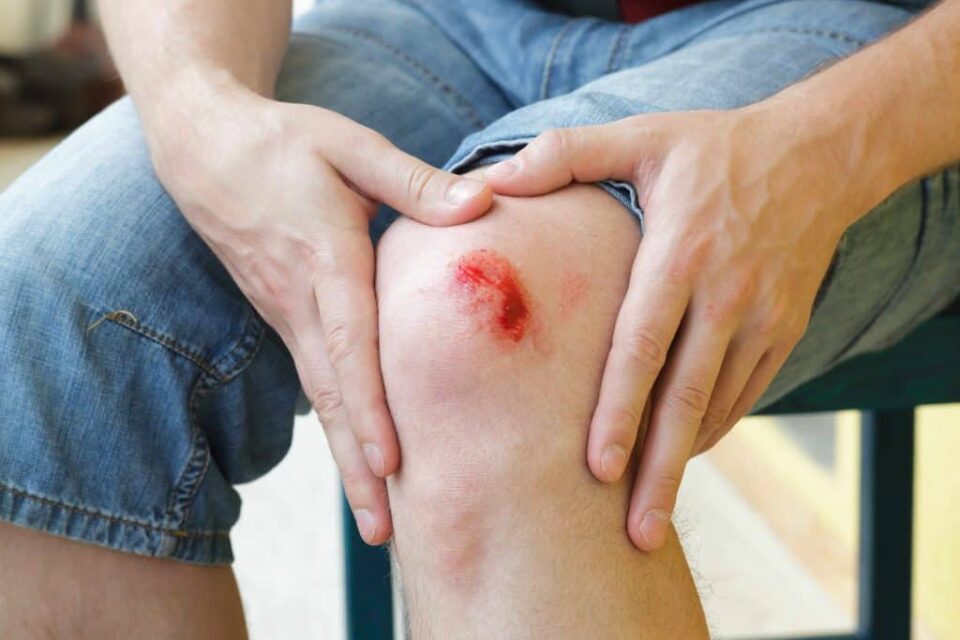
When it comes to the process of wound healing, you might be surprised to learn that even minor environmental and lifestyle factors can have an impact. For those living in Quebec City, the unique combination of climate, culture, and healthcare practices shapes the way minor wounds heal.
Here’s how these factors come into play.
The Role of Quebec City’s Climate
Quebec City’s weather plays a significant role in the wound-healing process. Winters are harsh and dry, with temperatures often plummeting far below freezing. This dry, cold air can impede proper wound healing by preventing the skin from maintaining sufficient moisture levels. Cracked or dehydrated skin around an injury can make the wound more vulnerable to infection.
On the other hand, the damp, humid summers in Quebec City can create an entirely different challenge. Excessive moisture may foster bacterial growth, slowing healing or leading to complications.
To counteract these effects, residents are advised to tailor their wound care practices to the season. During winter, using a humidifier and applying fragrance-free, hydrating ointments can help keep the area around the wound moisturized. Conversely, in summer, ensuring that the wound stays clean and dry while avoiding excessive sweating can mitigate risks associated with humidity.

Access to Healthcare and Cultural Practices
Quebec’s universal healthcare system provides residents with access to physicians, pharmacies, and wound care specialists, ensuring a high baseline level of care. However, cultural attitudes toward healthcare may vary. Many in Quebec City, reflecting broader Canadian tendencies, often rely on natural remedies or self-care before seeking professional medical treatment. While this reflects a strong culture of self-sufficiency, it can lead to delays in addressing potential wound complications.
Visiting a pharmacy for advice on wound care is common, and pharmacists in Quebec are highly trained and approachable. Ensuring minor wounds are properly cleaned, dressed, and monitored for signs of infection is crucial. For injuries that don’t seem to heal as expected, seeking professional assessment is advised.
Lifestyle and Activity Levels
Quebec City is steeped in outdoor activity. Whether it’s ice skating during the Winter Carnival or cycling along the St. Lawrence River in summer, residents enjoy an active lifestyle. However, engaging in activities too soon after sustaining an injury can disrupt the natural repair process. Movement and exertion can reopen wounds or delay healing by introducing new strain or external contaminants.
On the flip side, regular but gentle movement, like walking, can improve circulation, which is vital for delivering oxygen and nutrients to the wound site. Striking the right balance between rest and activity is a key aspect of recovery.
The Psychology of Healing
Lastly, Quebec City’s unique charm and slower pace of life may positively influence wound healing from a psychological perspective. Reduced stress levels contribute to a stronger immune response, and the city’s myriad opportunities for leisure and relaxation foster mental well-being, which indirectly supports physical recovery.
Conclusion
To sum up, the way minor wounds heal in Quebec City is influenced by the interplay of climate, diet, cultural practices, and lifestyle factors. By making small, informed adjustments to how wounds are treated, such as considering the season, optimizing nutrition, and balancing rest with moderate activity, residents of Quebec City can ensure faster, healthier healing. When in doubt, seeking professional advice or consulting a pharmacist is always a wise step.
