The process of skin healing is a complex and fascinating aspect of the human body. Whether recovering from a minor scrape or a more serious wound, the speed and efficiency with which the skin heals can be influenced by numerous factors. For residents of Charlottetown, local environmental conditions, lifestyle choices, and individual health factors all play a role in determining how quickly the skin can recover.
1. Environmental Factors in Charlottetown
Being on Prince Edward Island, Charlottetown experiences a maritime climate that can influence skin healing in a few ways. The coastal air tends to have higher humidity levels, which can actually benefit wound healing by keeping the skin hydrated and preventing excessive drying that could slow recovery. However, seasonal fluctuations in temperature, particularly during harsh winter months, may impair the skin’s natural ability to heal.
Cold, dry air can lead to cracked skin and slower regeneration as the body struggles to retain moisture. In addition, UV exposure during sunny summer months may hinder healing if a wound is left unprotected, as sunburned areas can further inflame the skin.
2. Nutrition and Hydration
Diet plays a critical role in the body’s ability to heal wounds efficiently. Nutrients such as vitamin C, zinc, and protein are essential for the production of collagen, which is a key part of skin repair. Charlottetown residents who consume local, nutrient-rich foods like fresh seafood, leafy greens, and berries may find their skin healing more efficiently.
Hydration is equally important, as dehydration can slow cell renewal and impair nutrient delivery to wounded areas. Consuming adequate water and avoiding excessive alcohol or caffeine intake can further promote optimal healing.

3. Age and General Health
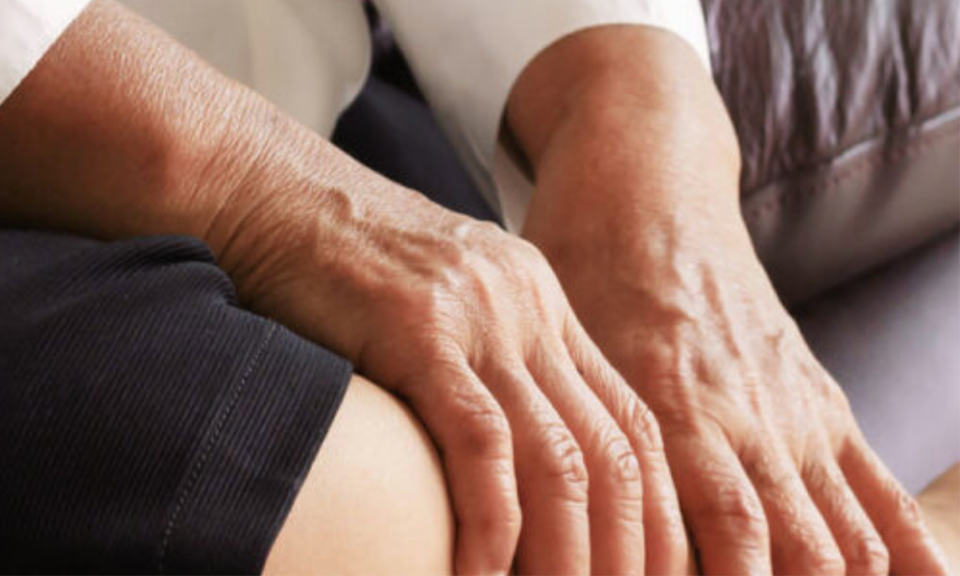
One of the most significant factors affecting skin healing is age. Older adults generally experience slower healing due to reduced cell turnover rates and weaker immune responses. For Charlottetown’s aging population, this can mean taking longer to recover from even minor skin injuries.
Chronic health conditions such as diabetes, cardiovascular disease, or autoimmune disorders can also have a profound impact, as they may restrict blood flow, impair immune function, or disrupt the body’s natural repair mechanisms.
4. Lifestyle and Activity Levels
An active lifestyle can play a dual role in skin healing. On one hand, regular exercise helps improve circulation, delivering oxygen and nutrients crucial for recovering tissue. On the other hand, strenuous physical activity may risk further injury to healing wounds or introduce dirt and bacteria to vulnerable areas. Striking a balance between gentle movement and sufficient rest is key to promoting recovery without undue stress on the body.
5. Proper Wound Care and Hygiene
Practicing proper wound care is perhaps the most controllable factor in ensuring fast and efficient healing. Residents of Charlottetown can benefit from keeping wounds clean, covered, and free from bacteria to avoid infections that might disrupt the healing process. Using local health resources, such as pharmacies or healthcare clinics, is also vital in ensuring appropriate treatments or dressings are used. In addition, avoiding habits like smoking, a known factor in delaying skin healing, can greatly improve results.
Conclusion
By addressing these influencing factors, individuals in Charlottetown can take proactive steps to improve their skin’s natural healing ability. Whether by making smarter dietary choices, staying active, or adapting to the area’s unique climate, fostering healthier skin is a practical and achievable goal for this vibrant community.
