
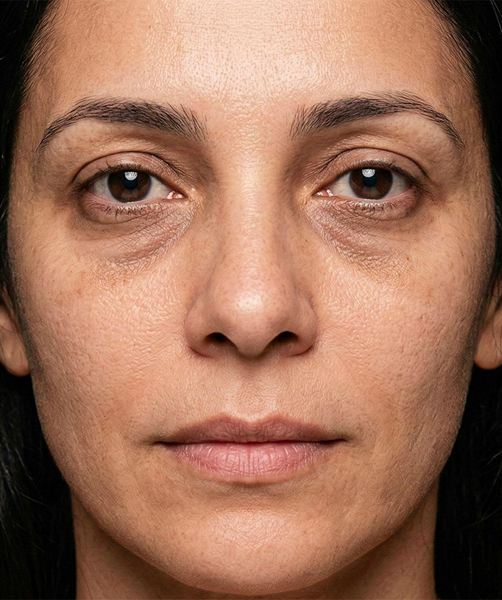
Dark circles under the eyes are often blamed on late nights, stress, or insufficient rest. While these factors can make the under-eye area appear more tired, they are not always responsible for persistent discoloration.
Some people get adequate sleep yet still notice shadows beneath their eyes. Others develop dark circles gradually as their skin changes with age. The explanation often involves a combination of genetics, pigmentation, skin structure, and everyday habits.
Understanding what causes dark circles is the first step toward finding a sensible approach to managing them.
Understanding the Different Types of Dark Circles
Not all dark circles look the same, and their appearance can provide clues about what is happening beneath the skin.
Pigmentation-related dark circles often appear brown and may be associated with inherited skin characteristics, sun exposure, or inflammation. They occur when increased pigment contributes to discoloration around the eyes.
Structural dark circles develop when the natural contours beneath the eyes create shadows. Hollow areas, sometimes called tear troughs, can make the skin appear darker even without excess pigment.
Vascular dark circles may look bluish, purple, or reddish because blood vessels and underlying tissues are more visible through thin skin.
Some individuals experience more than one of these factors simultaneously. This overlap explains why a treatment that works for one person may produce disappointing results for another.
Recognizing these differences helps prevent unnecessary spending on products that cannot address the underlying concern.
Why Sleep Isn’t the Only Factor
Getting sufficient sleep supports overall well-being, but persistent dark circles may have little to do with bedtime habits.
Genetics can influence skin thickness, pigmentation, and the natural shape of the under-eye area. Someone with naturally deep tear troughs may notice shadows regardless of how rested they feel.
Aging also changes the appearance of the skin surrounding the eyes. Gradual changes in collagen, skin elasticity, and facial volume can make existing hollows more noticeable.
Allergies may contribute as well. Nasal congestion can make the area beneath the eyes appear darker, while frequent rubbing can irritate delicate skin and sometimes worsen pigmentation.
Sun exposure is another consideration. Ultraviolet radiation can encourage excess pigmentation, potentially making existing discoloration more visible.
Because several factors can contribute to dark circles, improving sleep alone may not produce the desired change.
When Professional Treatment May Be Worth Considering
A consistent skincare routine can help maintain healthy skin, but topical products cannot address every cause of under-eye darkness.
For example, a brightening product may help some pigmentation-related concerns, but it cannot restore lost facial volume. Similarly, approaches designed to improve skin texture may have limited effects on shadows caused by facial anatomy.
A qualified dermatologist can evaluate whether discoloration primarily involves pigmentation, visible vessels, skin changes, or structural hollowing.
For Westchester residents exploring professional options, information about dark circle treatment Westchester may provide a starting point for understanding cosmetic dermatology approaches, including pigmentation correction and facial volume treatments, although suitability for the under-eye area requires individual assessment.
Depending on the cause, a dermatologist might discuss carefully selected topical treatments, pigmentation-focused procedures, or other cosmetic approaches. Not every procedure is appropriate for the delicate under-eye region.
Treatments involving fillers deserve particular caution because the surrounding anatomy is complex and complications can occur. Anyone considering an injectable procedure should discuss the potential benefits, limitations, alternatives, and risks with an appropriately qualified clinician.
The goal of a professional assessment should be to identify realistic options rather than assume that every dark circle requires a cosmetic procedure.
Everyday Habits That Can Help Protect Under-Eye Skin
Although lifestyle adjustments cannot eliminate every type of dark circle, a few habits can help protect the sensitive skin around the eyes.
Use daily sun protection. Broad-spectrum sunscreen and sunglasses can help limit ultraviolet exposure. Choose products suitable for facial use and avoid getting sunscreen into the eyes.
Keep the area moisturized. A gentle moisturizer can support the skin barrier and temporarily improve the appearance of dryness-related fine lines.
Avoid rubbing your eyes. Frequent rubbing can aggravate irritation, particularly for people with allergies or sensitive skin.
Be cautious with active ingredients. Strong exfoliating acids, retinoids, and other concentrated skincare ingredients may irritate the eye area when used incorrectly. Follow product directions and seek professional advice when necessary.
Address allergy symptoms. When allergies contribute to itching, rubbing, or congestion, appropriate management may help reduce some associated under-eye changes.
These measures support skin health, even when the underlying darkness is largely genetic or structural.
Setting Realistic Expectations for Dark Circle Improvement
One of the biggest misconceptions about dark circles is that a single cream or procedure can permanently erase them.
Results depend heavily on the underlying cause. Pigmentation may respond differently from visible blood vessels, while structural shadows require an entirely different evaluation.
Even professional procedures have limitations. Some individuals may experience visible improvement, while others may need ongoing skincare or may decide that treatment is unnecessary.
It is also important to distinguish normal facial features from medical concerns. Under-eye shadows are common, and their presence does not automatically indicate poor health or a need for correction.
However, new, rapidly changing, painful, swollen, or distinctly one-sided discoloration deserves medical attention rather than an assumption that the issue is purely cosmetic.
A thoughtful approach begins with understanding the condition, considering individual preferences, and balancing possible improvements against cost, maintenance, and treatment risks.
Conclusion
Dark circles are more complicated than a simple sign of tiredness. Genetics, pigmentation, facial anatomy, allergies, and age-related changes can all influence how the under-eye area looks.
Identifying the likely cause helps people make better decisions about skincare and professional treatment. Gentle daily care, realistic expectations, and appropriate dermatological guidance can be more useful than repeatedly trying products without understanding what they are intended to address.
Ultimately, managing dark circles should be about informed personal choice, not chasing an unrealistic standard of perfectly even skin.
