
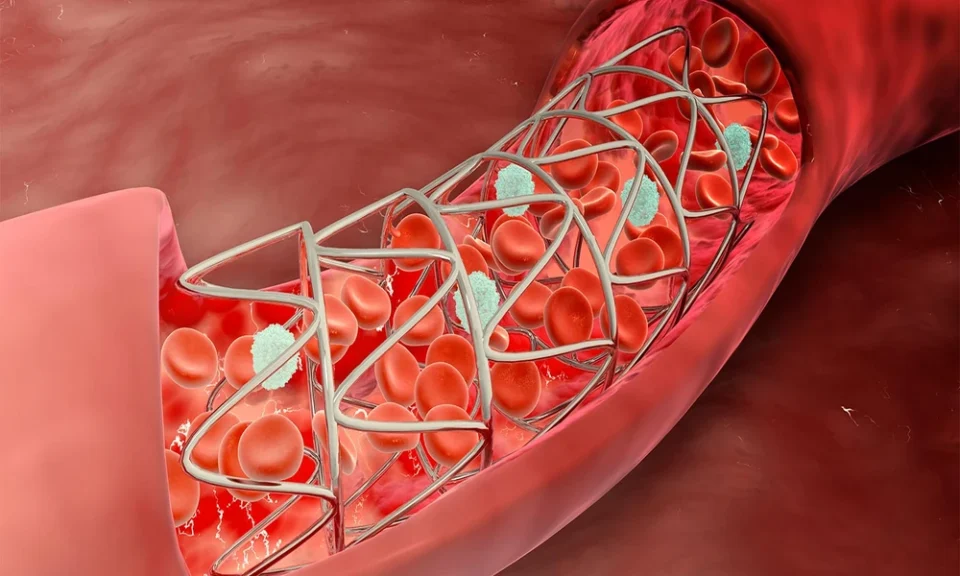
Pregnancy asks a great deal of any heart. Blood volume climbs by nearly half, so the circulation works harder every day. For women with a narrowed mitral valve, that extra load can cause serious breathlessness. When medicines no longer help, doctors may suggest balloon mitral valvotomy to widen the opening. Choosing the right moment protects both the woman and her unborn child. Most procedures are planned for the middle months, once the baby’s organs have formed.
How Pregnancy Strains a Narrowed Valve?
A tight mitral valve restricts blood moving between the heart’s left chambers. During pregnancy, the heart beats faster and carries more blood. Pressure then builds up in the lungs, causing fluid to collect. Symptoms often worsen sharply during the second and third trimesters.
Warning Signs That Need Prompt Medical Attention
Some tiredness is normal in pregnancy, which can hide heart symptoms. These signs should always be reported to a doctor quickly.
- Breathlessness while lying flat that eases when sitting upright.
- Waking at night gasping for air or coughing repeatedly.
- A racing or irregular heartbeat that comes on suddenly.
- Coughing up pink or frothy mucus at any time.
- Swelling in the legs that worsens much faster than expected.
- Feeling faint or dizzy during simple daily activities at home.
- Chest tightness when climbing stairs or walking short distances.
- Struggling to finish a sentence without stopping to catch breath.
Why Timing Around Mid Pregnancy Matters?
Doctors prefer to wait until after about twenty weeks when possible. By then, the baby’s main organs have finished forming. Radiation from X-rays is kept very low, and the abdomen is shielded. Delaying too long can also be risky, since strain on the heart peaks later in pregnancy.
What Happens During the Procedure for Pregnant Women?
A thin tube is passed through a vein in the upper thigh. It travels to the heart and crosses into the left upper chamber. A small balloon is then inflated inside the narrowed valve. This gently separates the fused flaps and widens the opening.
The woman is usually awake with local numbing and light sedation. Ultrasound guidance helps reduce the need for X-rays. The procedure often takes about one to two hours. Most women notice easier breathing within a day and go home shortly afterwards.
Medicines Usually Come Before Any Procedure
Medicines that slow the heart rate often ease symptoms in milder cases. Water tablets may reduce fluid in the lungs when used carefully. Procedures are reserved for women whose symptoms continue despite these measures.
Why This Option Beats Open Heart Surgery?
Open surgery during pregnancy carries a significant risk of losing the baby. It requires a heart-lung machine, which affects blood flow to the womb. By contrast, balloon mitral valvotomy avoids general anaesthesia and large incisions. For suitable valves, it offers strong results with far lower risk to the pregnancy.
Pregnancy and Valve Procedure FAQ
- Does the X-ray exposure during the procedure harm the baby? Exposure is kept very low, and the abdomen is shielded throughout.
- What month of pregnancy is safest for having a balloon valvotomy? Usually after twenty weeks, once the baby’s organs have fully developed.
- Will I still be able to have a normal delivery? Many women deliver vaginally, often with an epidural to reduce heart strain.
- How quickly will my breathing improve after the valve procedure? Most women breathe noticeably easier within one or two days.
- Should I have the valve treated before planning a pregnancy? Yes, if severe narrowing is known, treating it beforehand is safest.
- Who looks after me during a pregnancy with mitral stenosis? A team of cardiologists, obstetricians, and anaesthetists usually shares your care.
Shared Planning Keeps Families Safe
Expectant mothers living with this narrowing face real but manageable dangers. Spotting worsening symptoms early gives the care team time to act. Gentle catheter widening, carried out during the second trimester, offers strong results with little risk. Close teamwork between cardiologists and obstetricians shapes safer deliveries. Attending each scheduled check matters more than any single perfect decision.
