

The liver is one of those organs that suffers quietly for a long time before making its distress obvious. It can lose up to 75% of its function before symptoms become severe—which is why liver problems are so often diagnosed late. Knowing the signs your liver is struggling, such as persistent fatigue, itchy skin, or mild swelling in the ankles, can genuinely make a difference in catching issues early.
Early Warning Signs (Often Overlooked)
These are easy to dismiss as “just tiredness” or unrelated problems – but together they form a picture worth investigating:
| Sign | Why It Happens |
|---|---|
| Persistent, unexplained fatigue | Liver cannot process toxins efficiently; metabolic byproducts accumulate |
| Nausea or poor appetite | Bile production disruption affects digestion |
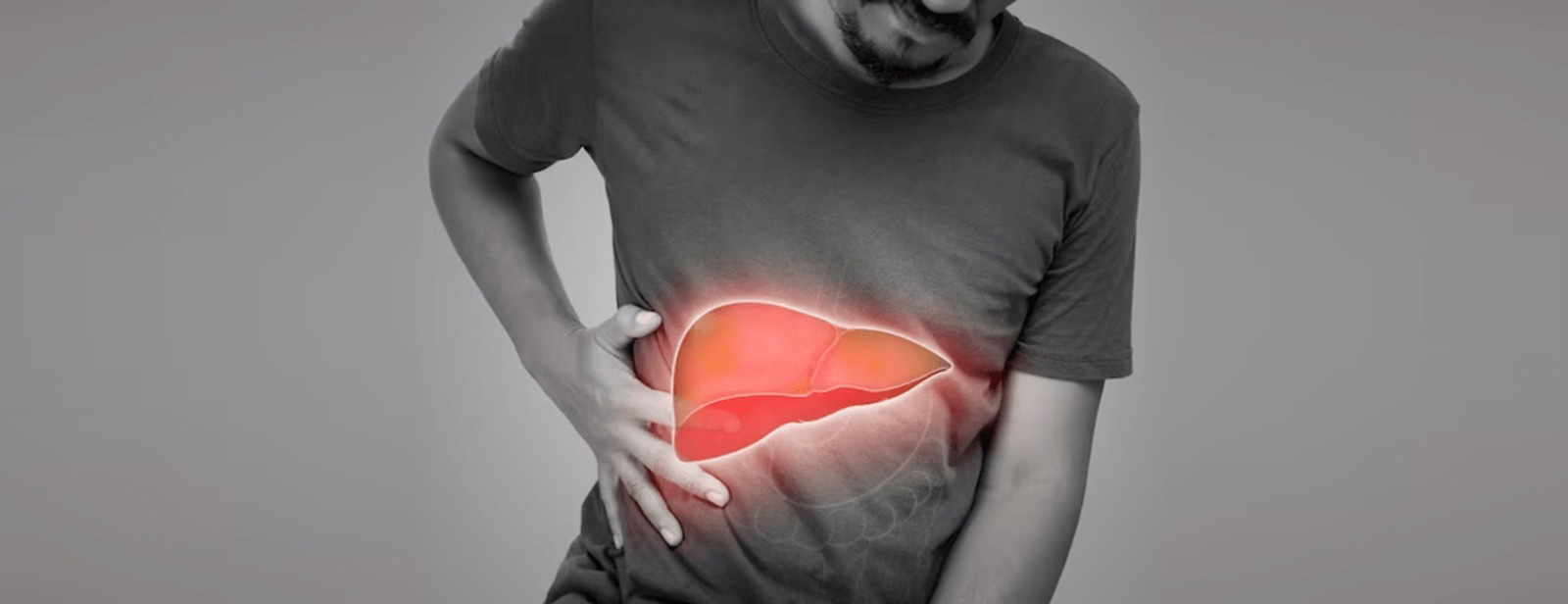
| Mild upper right abdominal discomfort | Liver capsule stretches as the organ becomes inflamed or enlarged |
| Brain fog and poor concentration | Ammonia accumulates when the liver can’t process it (hepatic encephalopathy in later stages) |
| Frequent bloating | Bile flow disruption impairs fat digestion |
| Low-grade digestive problems | The liver produces bile salts essential for fat absorption |
More Obvious Signs – Seek Medical Attention
Jaundice (Yellowing of Skin and Eyes)
One of the most recognisable liver signs. The whites of the eyes (sclera) and skin turn yellow when bilirubin – a breakdown product of red blood cells – accumulates in the blood because the liver can’t process it.
Jaundice always warrants medical evaluation. It can indicate hepatitis, gallbladder obstruction, cirrhosis, or – rarely – liver cancer.
Dark Urine
When bilirubin is excreted through the kidneys instead of bile, urine turns dark amber or tea-coloured. This often accompanies jaundice or precedes it.
Pale or Clay-Coloured Stools
Bile gives stool its brown colour. When bile flow is blocked or severely reduced, stools turn pale, grey, or clay-coloured – a significant warning sign.
Unexplained Itching (Pruritus)
Bile salts depositing under the skin cause intense itching, often without any visible rash. This is common in cholestatic liver disease (where bile flow is obstructed).
Swollen Abdomen (Ascites)
Fluid accumulation in the abdominal cavity (ascites) is a sign of advanced liver disease. The liver produces albumin – a protein that maintains fluid balance in blood vessels. When it fails to do this, fluid leaks into the abdomen.
Spider Angiomas
Small, spider-shaped blood vessel clusters on the skin – particularly on the chest, face, and arms – are associated with liver disease. They occur because the liver can no longer process oestrogen properly, leading to blood vessel dilation.
Signs Specific to Chronic Liver Disease
| Sign | What It Indicates |
|---|---|
| Easy bruising and bleeding | Liver makes clotting factors; disease reduces production |
| Muscle wasting | Impaired protein metabolism |
| Palmar erythema | Red palms – oestrogen-related; common in cirrhosis |
| Gynaecomastia in men | Enlarged breast tissue from hormone imbalance |
| Loss of body hair | Hormonal disruption |
| Oedema (ankle and leg swelling) | Low albumin allows fluid to pool |
| Mental confusion, tremors | Late sign – hepatic encephalopathy |
Common Causes of Liver Stress
- Non-alcoholic fatty liver disease (NAFLD) – most common; linked to obesity, insulin resistance, and metabolic syndrome
- Alcohol-related liver disease – dose and duration dependent
- Viral hepatitis (B and C) – can silently damage the liver for years
- Autoimmune hepatitis – immune system attacks liver cells
- Medications – paracetamol overdose, some statins, certain antibiotics
- Haemochromatosis – iron overload damages liver tissue
- Non-alcoholic steatohepatitis (NASH) – more aggressive form of fatty liver
Blood Tests for Liver Function
If liver disease is suspected, a liver function panel (LFTs) is the standard starting point:
| Test | What It Measures | Elevated In |
|---|---|---|
| ALT (alanine aminotransferase) | Liver cell damage | Hepatitis, fatty liver, drug damage |
| AST (aspartate aminotransferase) | Liver and muscle damage | Hepatitis, alcohol, muscle damage |
| ALP (alkaline phosphatase) | Bile duct issues | Cholestasis, bone disease |
| GGT (gamma-GT) | Alcohol use, bile duct issues | Alcohol, fatty liver |
| Bilirubin | Jaundice marker | Hepatitis, gallbladder obstruction |
| Albumin | Liver synthetic function | Chronic liver disease (low) |
When to See a Doctor Without Delay
- Jaundice – any yellowing of skin or eyes
- Dark urine alongside pale stools
- Sudden severe right-sided abdominal pain
- Vomiting blood (haematemesis) – emergency
- Significant swelling of the abdomen
- Confusion or tremors – late hepatic encephalopathy
Bottom Line
The liver sends distress signals long before it reaches crisis – but many of those signals are easy to explain away. Persistent fatigue, nausea, upper right discomfort, and any hint of yellowing deserve proper investigation. A liver function blood test is simple, inexpensive, and can detect problems at a stage when intervention still makes a meaningful difference. Don’t wait for obvious symptoms to appear.
