
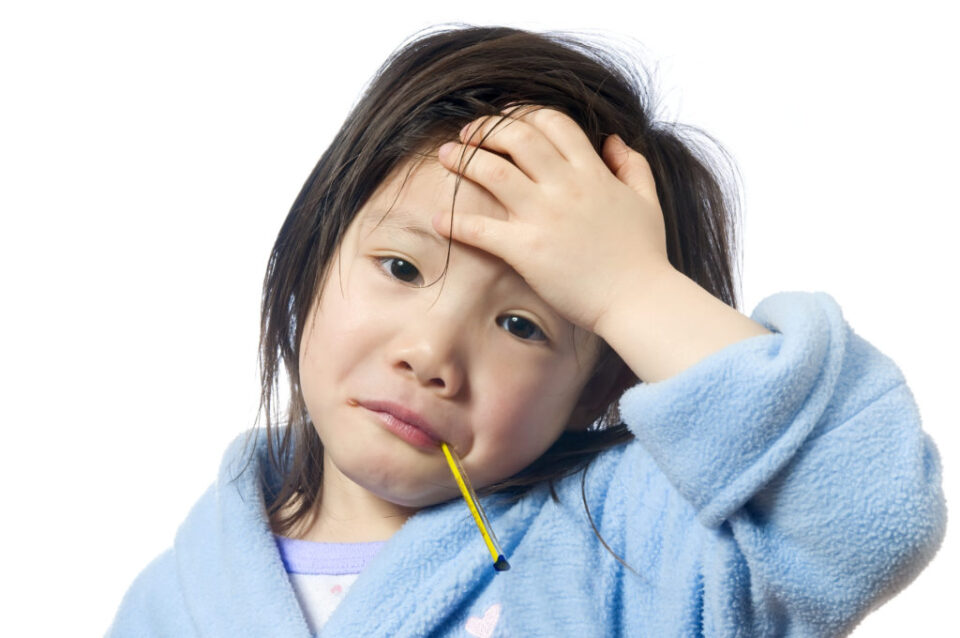
A fever is one of the most common reasons parents become concerned about their child’s health. Although a raised temperature can be unsettling, fever is often a sign that the immune system is responding to an infection.
Understanding the illnesses that commonly cause fever in children can help parents recognise possible causes and know when professional medical advice may be appropriate.
What Is a Fever?
Fever is generally the body’s response to infection or inflammation. Rather than being an illness itself, it is usually a symptom of an underlying condition.
Viral infections are among the most frequent causes of fever in children. However, bacterial infections and other conditions can also produce a raised temperature.
The child’s age, symptoms, behaviour, and overall condition are important when assessing pediatric fever, rather than temperature alone.
Common Cold and Other Respiratory Viruses
Common respiratory infections can cause fever, particularly in younger children. A child may also have a runny or blocked nose, cough, sore throat, sneezing, or reduced appetite.
Most uncomplicated viral respiratory infections improve with rest, fluids, and supportive care. However, parents should monitor their child’s symptoms and seek medical advice if the illness appears to be worsening or the child has difficulty breathing.
Influenza
Influenza can cause a relatively sudden onset of fever accompanied by symptoms such as cough, sore throat, headache, muscle aches, chills, and pronounced tiredness.
Children may also experience reduced appetite or gastrointestinal symptoms such as nausea, vomiting, or diarrhoea.
Influenza symptoms can overlap with other viral infections, so a healthcare professional may need to assess the child when symptoms are significant or the child belongs to a higher-risk group.
Hand, Foot and Mouth Disease
Hand, foot and mouth disease is a common childhood infection caused by enteroviruses.
Children may develop fever, sore throat, reduced appetite, and small painful sores in the mouth. A rash or small blisters can also appear on the hands, feet, and other areas of the body.
Because mouth sores can make drinking uncomfortable, maintaining adequate fluid intake is particularly important.
Viral Gastroenteritis
Viral gastroenteritis affects the digestive system and can cause fever alongside vomiting and diarrhoea.
Children can become dehydrated more quickly than adults, particularly when they are unable to keep fluids down.
Signs of dehydration may include reduced urination, dry mouth, lack of tears when crying, unusual sleepiness, or weakness. Medical advice should be sought if dehydration is suspected.
Ear Infections
Middle ear infections can occur after a respiratory infection. Children may develop fever, irritability, difficulty sleeping, or ear pain.
Younger children who cannot describe their symptoms may pull or rub their ears, although this behaviour alone does not necessarily mean that an ear infection is present.
A healthcare professional can examine the ear and determine whether treatment is necessary.
Strep Throat and Other Bacterial Infections
Certain bacterial infections can cause children fever and may require medical assessment.
Strep throat, for example, can cause fever, sore throat, painful swallowing, swollen lymph nodes, and sometimes a characteristic rash. Other bacterial infections, including urinary tract infections, can also produce fever.
The appropriate treatment depends on the underlying cause, so antibiotics should only be used when a healthcare professional determines that they are indicated.
Urinary Tract Infections
Urinary tract infections can occur in children and may sometimes present primarily with fever, especially in younger children.
Older children may report pain or burning during urination, frequent urination, abdominal discomfort, or back pain.
A urine test may be needed to determine whether an infection is present and whether treatment is required.
Dengue and Other Mosquito-Borne Infections
In regions where mosquito-borne illnesses occur, dengue is another possible cause of fever.
Dengue can cause sudden fever, headache, body aches, nausea, vomiting, or rash. Some people develop warning signs as the illness progresses.
Children with persistent or significant fever, particularly after possible mosquito exposure in an area where dengue occurs, should be assessed by a healthcare professional.
When Should Parents Seek Medical Advice?
The seriousness of children’s fever cannot be determined by temperature alone.
Parents should pay attention to the child’s behaviour, breathing, hydration, responsiveness, and other symptoms. Medical assessment is particularly important if a child has difficulty breathing, becomes unusually drowsy or difficult to wake, has a seizure, develops a concerning rash, shows signs of dehydration, or appears significantly unwell.
Infants, particularly very young babies with fever, may require prompt medical evaluation because infections can become serious quickly.
How Can Parents Support a Child With Fever?
For a child who is otherwise comfortable, parents can encourage regular fluid intake and allow adequate rest.
Light clothing and a comfortable room temperature can help prevent overheating. Parents should also follow healthcare professional guidance regarding fever-reducing medicines and use age-appropriate doses.
It is important to monitor the child’s overall condition and seek medical advice if symptoms persist, worsen, or become concerning.
Conclusion
Many illnesses can cause children fever, with viral respiratory infections, influenza, hand, foot and mouth disease, gastroenteritis, ear infections, and bacterial infections among the possibilities.
Most childhood fevers are associated with infections that resolve with appropriate care. However, some illnesses require medical evaluation and treatment.
Rather than focusing only on the temperature reading, parents should consider the child’s age, behaviour, hydration, breathing, and accompanying symptoms. When there is uncertainty or the child appears significantly unwell, consulting a healthcare professional can help identify the cause and determine the appropriate care.
