
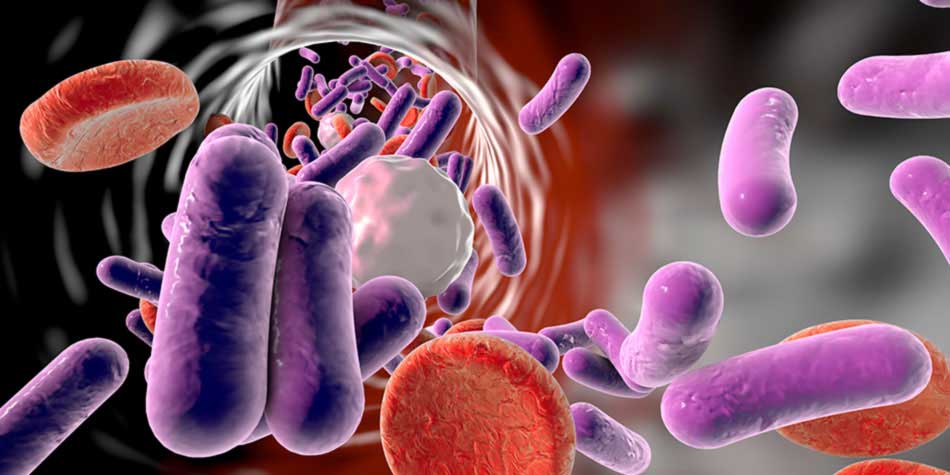
Sepsis is a life-threatening medical emergency that occurs when the body’s response to infection spirals out of control, damaging its own tissues and organs. It kills approximately 11 million people worldwide every year—more than many cancers—yet many people have never heard of it or don’t know what triggers it. Understanding what is the most common cause of sepsis—often starting as a simple lung, urinary tract, or abdominal infection—is vital for early detection and survival.
The most common cause of sepsis is bacterial infection, with pneumonia (lung infection) being the single most frequent trigger, followed by infections of the abdomen and urinary tract. Any infection, however, can potentially trigger sepsis – including viral and fungal infections.
Most Common Infection Sources for Sepsis
| Infection Source | Proportion of Sepsis Cases |
|---|---|
| Lungs (pneumonia) | 35-50% – most common |
| Abdomen (peritonitis, appendicitis, bowel perforation) | 20-25% |
| Urinary tract (kidney infection, urosepsis) | 15-25% |
| Skin and soft tissue (cellulitis, infected wounds) | 10-15% |
| Bloodstream (bacteraemia without obvious source) | 5-10% |
| Other (endocarditis, meningitis, bone) | 5-10% |
Most Common Bacteria That Cause Sepsis
| Bacteria | Where It Originates |
|---|---|
| Streptococcus pneumoniae | Lungs (pneumonia), meningitis |
| Escherichia coli (E. coli) | Urinary tract, bowel |
| Staphylococcus aureus | Skin, IV lines, lungs |
| Klebsiella pneumoniae | Lungs, urinary tract |
| Pseudomonas aeruginosa | Lungs, hospital-acquired infections |
| Streptococcus pyogenes | Skin, throat |
What Sepsis Actually Is
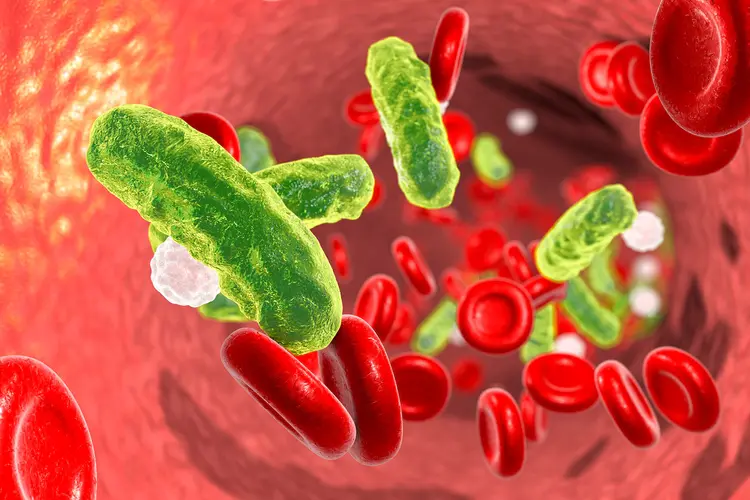
Sepsis is not the infection itself – it’s the body’s dysregulated response to infection. When the immune system detects bacteria (or viruses or fungi), it releases chemical mediators to fight the pathogen. In sepsis, this response becomes excessive and uncontrolled:
- Inflammatory chemicals flood the bloodstream
- Blood vessels dilate and become leaky
- Blood pressure drops
- Organs don’t receive adequate blood flow
- Without treatment, organs begin to fail
Septic shock – the most severe form – occurs when blood pressure drops critically despite fluid resuscitation, requiring vasopressors and carrying a mortality rate exceeding 40%.
Who Is Most at Risk
| Risk Factor | Why It Increases Risk |
|---|---|
| Age >65 or <1 year | Immune system less robust |
| Chronic illness (diabetes, COPD, heart failure) | Reduced immune competence |
| Immunosuppression (cancer treatment, organ transplant, HIV) | Depleted immune response |
| Recent surgery or hospitalisation | Wound infection, catheter, IV line exposure |
| Indwelling devices (catheters, central lines) | Direct bacterial entry route |
| Pregnancy | Altered immune state |
| Malnutrition | Compromised immune function |
Recognising Sepsis – The Signs
The Sepsis-3 definition identifies two key components:
- Suspected infection – in any site
- Organ dysfunction – identified by a SOFA (Sequential Organ Failure Assessment) score change
Clinical warning signs (think TIME):
- T – Temperature (fever above 38.3°C or below 36°C)
- I – Infection (suspected or confirmed)
- M – Mental decline (confusion, altered consciousness)
- E – Extremely unwell / high heart rate, rapid breathing, low blood pressure
The “Sepsis Six” – six actions within one hour of recognition – dramatically improves survival:
Treatment Is Time-Critical
Every hour of delay in antibiotic administration increases mortality by approximately 7%. This is why “sepsis bundles” – standardised rapid treatment protocols – have been implemented in hospitals worldwide.
Bottom Line
The most common cause of sepsis is pneumonia, followed by abdominal and urinary tract infections. Any serious bacterial infection can trigger it in vulnerable individuals. The most important thing the public can know is that sepsis requires emergency treatment – it progresses rapidly, and the window for effective intervention is measured in hours. If you suspect sepsis in yourself or someone else – particularly in an elderly person with a known infection who suddenly becomes confused, breathless, or extremely unwell – call emergency services immediately.
