
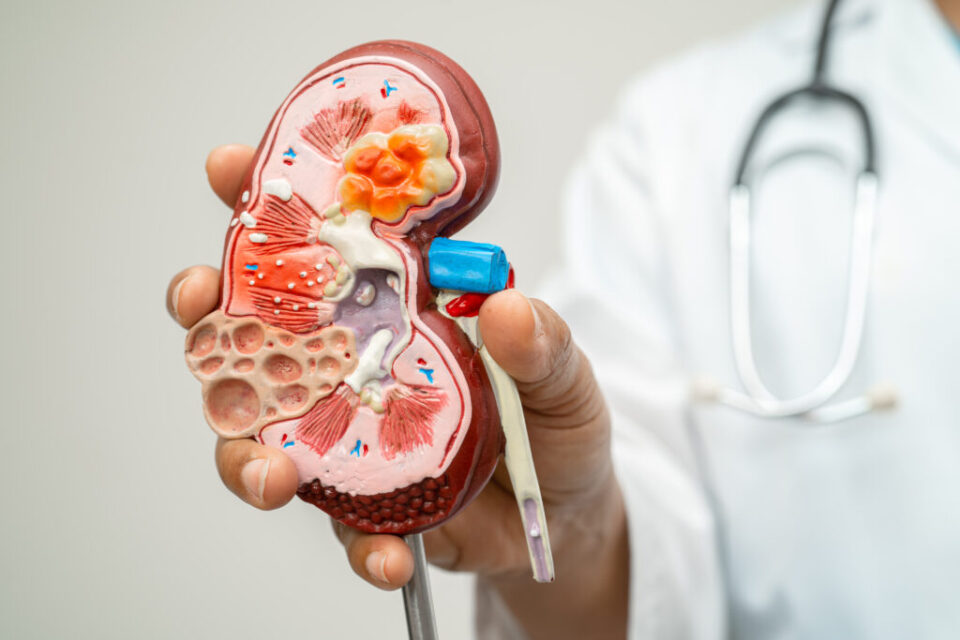
Your kidneys filter approximately 200 liters of blood every day. When they begin to fail, they rarely send dramatic signals; instead, they “whisper” through vague signs that are easily dismissed. The most common “kidney failure symptoms“ include swelling in the legs and ankles (edema), persistent fatigue, and changes in urination—such as foamy or dark urine. As the condition progresses, you may experience shortness of breath, itchy skin, and difficulty concentrating. Because these symptoms often appear only after significant function is lost, early detection via blood and urine tests is vital.
—
Early vs. Advanced Symptoms
Kidney failure (also called renal failure) develops differently depending on whether it’s acute (sudden) or chronic (gradual). Chronic kidney disease often has no symptoms in its early stages.
| Stage | Common Symptoms |
|—|—|
| Early (CKD Stages 1-2) | Usually none; may have mild fatigue or slightly elevated blood pressure |
| Moderate (CKD Stages 3-4) | Fatigue, mild swelling, changes in urination frequency, decreased appetite |
| Advanced (CKD Stage 5 / Kidney Failure) | Severe swelling, shortness of breath, confusion, nausea/vomiting, muscle cramps, itching, very little or no urine |
| Acute Kidney Failure | Sudden: dramatically reduced urination, confusion, rapid fluid retention – develops over hours to days |
—
Symptom Deep Dive
Swelling (Edema)
When kidneys can’t remove excess fluid, it accumulates in the body – most visibly in the legs, ankles, feet, and sometimes the face and hands. Pressing a finger into a swollen area and seeing an indentation that stays (pitting edema) is a red flag worth taking seriously.
Fatigue and Weakness
Kidneys produce erythropoietin, a hormone that signals the body to make red blood cells. Damaged kidneys produce less of it, leading to anemia – and with anemia comes deep, persistent fatigue that sleep doesn’t fix.
Changes in Urination
This is one of the most telling early signs. Changes to watch for:
- Urinating more often, especially at night
- Producing less urine than usual, or none at all
- Foamy or bubbly urine (protein leaking out)
- Dark, tea-colored, or bloody urine
Shortness of Breath
Fluid backup from failing kidneys can accumulate in the lungs (pulmonary edema), causing breathlessness even at rest. Anemia from reduced erythropoietin production also contributes.
Nausea and Loss of Appetite
When waste products build up in the blood (a condition called uremia), they affect the digestive system – causing nausea, vomiting, a metallic taste in the mouth, and significant loss of appetite.
Itching
Phosphorus and other waste products that healthy kidneys excrete can accumulate in the blood and deposit under the skin, causing persistent, difficult-to-treat itching – often worst at night.
Difficulty Concentrating / Brain Fog
Uremic toxins affect the brain. People with advanced kidney failure often experience difficulty focusing, memory problems, and confusion.
Muscle Cramps
Electrolyte imbalances – particularly in calcium, phosphorus, and potassium – cause painful cramping, often in the legs.
—
Acute vs. Chronic Kidney Failure
| Type | Onset | Common Causes | Reversible? |
|—|—|—|—|
| Acute Kidney Injury (AKI) | Hours to days | Dehydration, medications, infection, surgery | Often yes, with treatment |
| Chronic Kidney Disease (CKD) | Months to years | Diabetes, high blood pressure, repeated infections | No – but progression can be slowed |
| End-Stage Renal Disease (ESRD) | Final stage of CKD | Cumulative kidney damage | No – requires dialysis or transplant |
—
Who Is at Risk?
Some people need to be especially vigilant about monitoring kidney function:
- People with **diabetes** – the leading cause of kidney failure worldwide
- People with **high blood pressure** – the second leading cause
- Those with a **family history** of kidney disease
- People who regularly take **NSAIDs** (ibuprofen, naproxen) – these reduce blood flow to the kidneys over time
- People who have had **repeated urinary tract infections** or kidney infections
- Those over **60 years old** – kidney function naturally declines with age
- People with **cardiovascular disease** or obesity
—
When to See a Doctor – Red Flags
Do not wait if you notice:
- Sudden, significant reduction in urine output
- Severe swelling developing rapidly
- Shortness of breath at rest
- Confusion or difficulty staying awake
- Severe nausea and vomiting alongside other symptoms
- Blood in the urine
For chronic symptoms – persistent fatigue, swelling, foamy urine – see a doctor and ask specifically for a kidney function panel (creatinine, GFR, and urine albumin tests).
—
How Kidney Failure Is Diagnosed
| Test | What It Measures |
|—|—|
| Serum creatinine | Waste product filtered by kidneys – elevated levels signal reduced function |
| eGFR (estimated glomerular filtration rate) | Calculates how much blood kidneys filter per minute; below 15 = kidney failure |
| Urine albumin-to-creatinine ratio | Protein in urine – a sign of kidney damage |
| BUN (blood urea nitrogen) | Another waste product; elevated in kidney failure |
—
Final Thought
Kidney failure is serious – but it’s also largely preventable and manageable when caught early. The most dangerous aspect is how quietly it progresses. If you have any risk factors, regular kidney function testing isn’t optional – it’s essential.
If something feels off – unusual fatigue, swelling, changes in urination – don’t wait for it to get worse. Kidneys don’t regenerate. Early action is the only real protection.
