
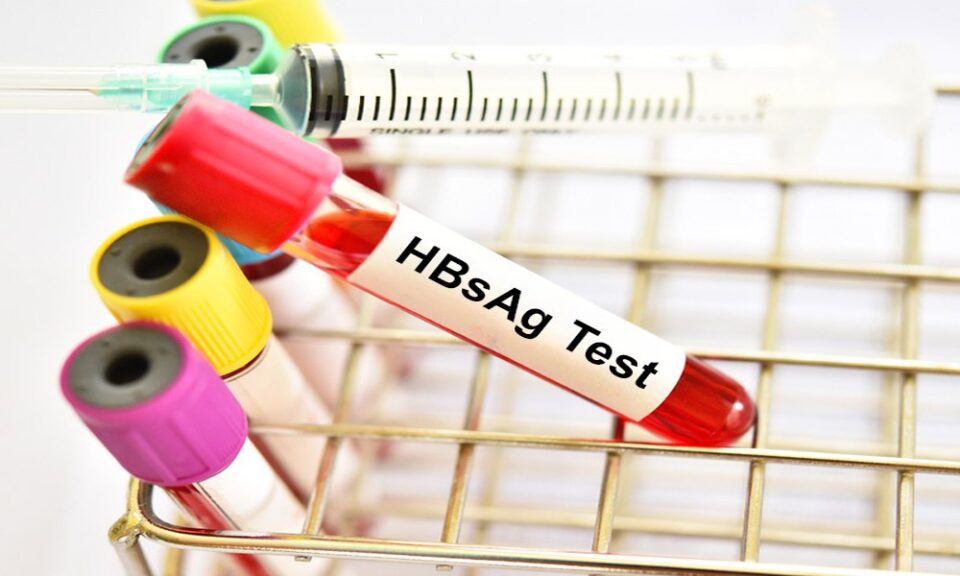
Viral infections are illnesses cause by viruses – microscopic organisms that enter the body, multiply and interfere with normal cellular functions. One of the biggest challenges with identifying a viral infection is that many conditions present with overlapping symptoms. Illnesses such as dengue, chikungunya, malaria, and typhoid, often begin with similar symptoms like fever, body pain, fatigue, and chills, which makes it difficult to distinguish one from another based on symptoms alone.
Due to this overlap, doctors often recommend a viral marker test. This blood test helps detect infections caused by blood-borne viruses such as Hepatisis B, Hepatitis C and HIV. These infections may not always show clear or immediate symptoms, but they can have long-term effects on an individual’s health if left undetected.
It works by identifying specific proteins in the blood. These include antigens (part of the virus itself) and antibodies, which are produced by the body’s immune system in response to an infection. These markers help in confirming the presence of a viral infection. It can also tell whether the infection is recent, chronic or resolved. This vital information allows for timely diagnosis and treatment planning.
Why is this test done?
This test may be advised by your doctor if you experience symptoms that may suggest of a viral infection. These may include:
- Yellowing of skin or eyes (jaundice)
- Dark-coloured urine
- Joint and muscle pain
- Fever without a clear cause
- Nausea, vomiting, or loss of appetite
- Upper abdominal pain, especially on the right side
- Unexplained fatigue or persistent weakness
- Unexplained weight loss
- Swollen lymph nodes
These symptoms can be linked to infections affecting the immune system and the liver, making further investigations essential.
If you live in Delhi-NCR or Mumbai, do an online search with keywords viral marker test price, and find out the best diagnostic centres in your vicinity.
What’s included in this test:
HIV 1 and 2
Human immunodeficiency virus type 1 and 2 (HIV 1+2) are enveloped single-stranded RNA virus that cause acquired immunodeficiency syndrome (AIDS). HIV attacks the immune system, specifically CD4 cells, weakening the body’s ability to fight infections. While HIV-1 has been isolated from patients with AIDS and AIDS-related complex, HIV-2 has been isolated from West African AIDS patients and from seropositive asymptomatic individuals. It mainly spreads if an individual comes in contact with blood and other body fluids from a person who has an HIV infection.
HbsAg
This test checks for the presence of the hepatitis B surface antigen, a protein found on the surface of the hepatitis B virus. It helps identify whether the infection is acute or chronic. It is also used as a screening for high-risk individuals such as pregnant women, or those with liver symptoms. When this hepatitis B virus enters your body, it invades your liver cells and begins to replicate. This test also helps determine whether a person needs a vaccination against the hepatitis B virus or not.
Anti-HCV (Hepatitis C Antibody Test)
Hepatitis C is a viral infection that affects the liver and is caused by the hepatitis C virus. Some common symptoms include fever, abdominal pain, fatigue, dark urine, light-colored stools, decreased appetite, nausea, vomiting, joint pain, and jaundice (yellowing of the skin and the whites of the eyes). It mainly spreads when an individual comes in contact with an infected person’s blood or body fluids. However, it can also spread through sharing needles, syringes or sexual contact.
Regular screening plays a vital role when it comes to detecting these infections early and in effectively treating them.
Disclaimer: This information is intended for general awareness only and should not be considered medical advice. Always consult a qualified healthcare professional for personalised evaluation and treatment.
