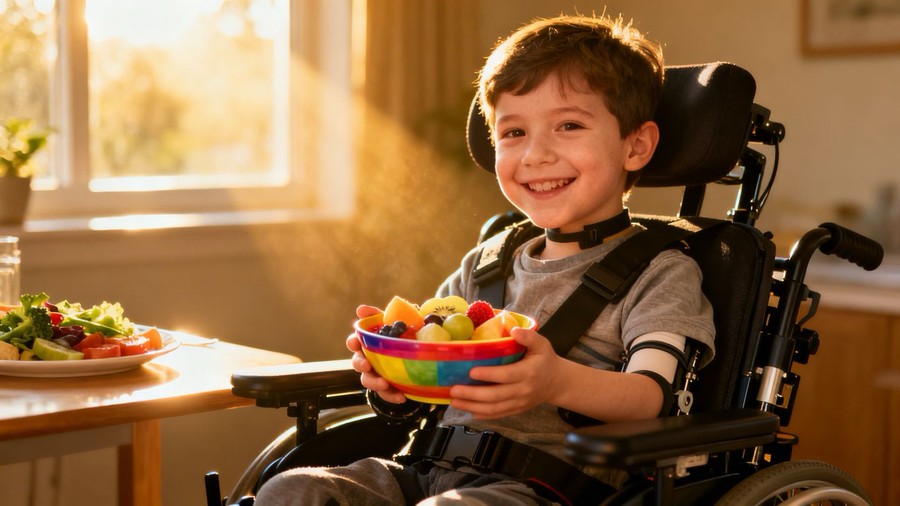
Children with cerebral palsy often face a different set of nutritional requirements compared to their peers. This isn’t just about getting enough calories; it’s about meeting specific needs that arise from the condition itself. For instance, some children might burn more energy due to involuntary movements or the effort involved in maintaining posture. This means their nutrient demands can be higher, requiring careful attention to ensure they’re getting what they need to grow and function well.
Addressing Elevated Nutrient Demands
Meeting increased energy needs is a primary concern. This often involves looking at the types of foods offered and how they are prepared. The goal is to pack more nutritional value into smaller volumes, especially if appetite is a challenge. It’s about making every bite count.
Supporting Muscle Health and Bone Strength
Cerebral palsy can affect muscle tone and movement, making it important to support muscle maintenance and development. This means paying attention to protein intake. Similarly, bone health is a significant consideration. Children with reduced mobility may have a higher risk of bone density issues. Therefore, ensuring adequate intake of calcium and vitamin D is key to building and maintaining strong bones.
Prioritizing Digestive and Immune Function
Digestive issues are quite common in children with cerebral palsy. Problems with swallowing, gut motility, or even constipation can impact how well nutrients are absorbed. A focus on gut health, through appropriate food choices and sometimes supplements, can make a big difference. A well-nourished body also tends to have a stronger immune system, which is important for overall well-being and resilience.
Navigating Common Nutritional Challenges
Children with cerebral palsy often face a unique set of hurdles when it comes to getting the nutrition they need. These challenges aren’t just about picking the right foods; they often involve how those foods are eaten and processed by the body.
Managing Swallowing Difficulties and Feeding Safety
Many children with cerebral palsy experience difficulties with swallowing, a condition known as dysphagia. This can make mealtimes stressful and even dangerous, increasing the risk of choking or food entering the lungs (aspiration). It’s not uncommon for children to struggle with different food textures or to have trouble coordinating the muscles needed for safe eating. This can lead to a reluctance to eat, reduced intake, and significant worry for parents and caregivers.
- Texture Modifications: Foods might need to be pureed, mashed, or softened to make them easier to swallow.
- Liquid Thickening: Drinks may require thickening agents to slow their flow and improve control.
- Positioning: Ensuring the child is in an upright and stable position during meals is vital for safety.
- Smaller, Frequent Meals: Breaking down meals into smaller portions can sometimes be more manageable.
Overcoming Dietary Restrictions and Sensitivities
Beyond swallowing issues, some children may have specific dietary restrictions due to other health conditions or sensitivities. This could include allergies, intolerances, or even aversions to certain tastes or textures. When a child’s diet becomes very limited, it becomes harder to ensure they are getting all the necessary vitamins and minerals for proper growth and development. This requires careful planning to find nutrient-dense alternatives that the child can tolerate and will eat.
Preventing Nutrient Deficiencies and Malnutrition
Because of the combined challenges of increased nutritional needs, potential feeding difficulties, and possible dietary restrictions, children with cerebral palsy are at a higher risk for malnutrition and specific nutrient deficiencies. This can impact their energy levels, growth, immune function, and overall health. Regular monitoring is key to catch any signs of undernutrition early. Addressing these issues proactively is essential for supporting the child’s physical and cognitive development.
Tailoring Dietary Strategies for Optimal Growth
Individualizing Energy and Macronutrient Intake
Figuring out exactly how much energy and what mix of protein, fats, and carbs a child with cerebral palsy needs can be tricky. Standard recommendations for kids their age might not quite fit because factors like muscle tone, how much they move, and even growth spurts can really change how many calories they burn. It’s not a one-size-fits-all situation. For instance, a child who uses a wheelchair will have different energy needs than one who walks with assistance.
- Energy needs are highly individual. What works for one child might be too much or too little for another.
- Consider the child’s activity level, even if it’s limited.
- Growth spurts can temporarily increase calorie requirements.
Ensuring Adequate Micronutrient Provision
Beyond the main energy sources, getting enough vitamins and minerals is also key. Children with cerebral palsy might have trouble absorbing certain nutrients or might not eat a wide enough variety of foods due to feeding challenges. This means paying close attention to micronutrient intake is important. Sometimes, even with a carefully planned diet, supplements might be needed to fill any gaps.
- Focus on vitamins like D and calcium for bone health.
- Iron is important to prevent anemia.
- Regularly check for potential deficiencies in vitamins A, C, E, and B vitamins.
Monitoring Growth and Body Composition
Keeping an eye on how a child is growing and what their body is made of—like muscle and fat—is a continuous process. It’s not just about weight on a scale. Doctors and dietitians often look at things like height, weight-for-age, and body fat measurements. This helps make sure the child is getting what they need to grow properly without gaining too much or too little weight. Regular check-ups help catch any issues early.
- Track weight and height trends over time.
- Assess body composition (muscle mass vs. fat mass).
- Adjust the diet plan based on growth patterns and body composition changes.
The Role of Expert Guidance in Cerebral Palsy Nutritional Strategies
Managing the nutritional needs of children with cerebral palsy can feel like a complex puzzle. It’s not just about ensuring they eat enough; it’s about making sure they get the right nutrients to support their specific challenges and growth. This is where the guidance of healthcare professionals becomes incredibly important.
Leveraging Dietitians and Nutritionists for Assessment
When it comes to understanding a child’s unique nutritional picture, dietitians and nutritionists are the go-to experts. They look beyond just basic weight and height measurements. Their assessments often include:
- Evaluating a child’s current health status and any related medical conditions.
- Considering the impact of mobility levels and muscle tone on energy needs.
- Identifying potential difficulties with swallowing, digestion, or nutrient absorption.
- Reviewing current eating patterns and preferences.
This detailed evaluation is the first step in creating a truly effective nutritional plan. These professionals can help identify if a child is at risk for malnutrition, which can be a concern due to feeding difficulties common in cerebral palsy. They also understand the rising expenses associated with specialized care and can help families plan accordingly Cerebral Palsy Guide.
Developing Personalized Nutritional Care Plans
Once an assessment is complete, the next step is crafting a plan that fits the individual child. This isn’t a one-size-fits-all approach. A personalized plan might include:
- Recommendations for specific food textures or consistencies to aid swallowing.
- Suggestions for nutrient-dense foods to meet increased energy demands.
- Guidance on supplements if certain vitamins or minerals are lacking.
- Strategies to manage common gastrointestinal issues like constipation or reflux.
These plans are designed to support muscle health, bone strength, and overall development, taking into account any dietary restrictions or sensitivities the child may have.
Providing Ongoing Support and Adjustments
Nutritional needs can change as a child grows and their condition evolves. Therefore, ongoing support from dietitians and nutritionists is vital. They can help families:
- Monitor the child’s growth and adjust the plan as needed.
- Troubleshoot any new feeding challenges that arise.
- Adapt the diet to accommodate changes in medication or therapy.
- Provide education and resources to empower parents in managing their child’s nutrition day-to-day.
Working closely with these professionals ensures that the child receives consistent, appropriate nourishment throughout their developmental journey.
Optimizing Feeding Methods and Hydration
Getting the right amount of food and fluids into a child with cerebral palsy can sometimes be a puzzle. It’s not just about what they eat, but also how they eat it and how much they drink. When it comes to feeding, the goal is always to make it as safe and effective as possible, while also keeping it a positive experience.
Strategies for Safe and Effective Oral Feeding
For many children, eating by mouth is the preferred method. However, challenges like difficulty swallowing or managing food in the mouth can make this tricky. To help, several strategies can be put into place:
- Positioning is key: Ensuring the child is in an upright position during and after meals is vital. This helps with swallowing and digestion. Proper support for the head and trunk prevents slouching, which can interfere with the feeding process. Using adaptive seating can make a big difference here.
- Food consistency: Modifying the texture of foods can make them easier and safer to swallow. This might involve pureeing, thickening liquids, or choosing softer foods.
- Pacing and environment: Allowing ample time for meals, without rushing, can reduce stress. A calm and quiet eating environment can also help the child focus.
- Adaptive utensils: Special spoons, cups, and plates can assist children who have trouble with fine motor skills, making self-feeding more achievable.
Considering Alternative Feeding Methods When Necessary
Sometimes, even with the best strategies, oral feeding might not provide enough nutrition or may pose safety risks. In these situations, alternative feeding methods become important. Enteral nutrition (EN), often delivered via a tube, can be a way to supplement or fully meet a child’s nutritional needs. This might include:
- Nasogastric (NG) tubes: These are temporary tubes inserted through the nose into the stomach.
- Gastrostomy tubes (G-tubes or PEG tubes): These are surgically placed directly into the stomach through the abdominal wall. They are often used for longer-term feeding needs.
- Jejunostomy tubes (J-tubes): These tubes are placed into the small intestine, usually when there are issues with stomach emptying or reflux.
The choice of method depends on the child’s specific needs, medical condition, and the duration of feeding support required. It’s about finding a way to get the necessary nutrients in without causing distress or health problems. For instance, tube feeding can be a lifeline for children who struggle to get enough calories orally.
Maintaining Adequate Fluid Intake
Hydration is just as important as nutrition, and children with cerebral palsy can sometimes be at risk for dehydration. This can be due to various factors, including difficulty drinking, reduced thirst sensation, or reliance on formulas that might not provide enough free water. It’s important to:
- Monitor fluid intake closely: Keep track of how much fluid the child is consuming from all sources – drinks, food, and formula.
- Offer fluids regularly: Don’t wait for the child to ask for a drink. Offer water or other approved fluids throughout the day.
- Consider fluid-rich foods: Fruits and vegetables with high water content can contribute to overall fluid intake.
- Account for fluid in tube feeds: If the child is on tube feeding, the volume and concentration of the formula need to be considered to ensure adequate hydration. Sometimes, extra free water flushes are needed after feeds or medications to maintain fluid balance and prevent issues like kidney stones.
Addressing Gastrointestinal Complications
Children with cerebral palsy often face tummy troubles. These issues can make eating harder and affect how well the body uses nutrients. It’s important to pay attention to these problems so kids can get the nutrition they need to grow.
Managing Reflux and Motility Issues
Gastro-oesophageal reflux (GORD) is common. This is when stomach contents come back up into the food pipe. It can cause discomfort, vomiting, and even breathing problems if food or liquid goes into the lungs. Sometimes, food just doesn’t move through the stomach and intestines as it should, which is called motility issues. This can lead to feeling full quickly or feeling sick.
- Thickening feeds can sometimes help keep food down.
- Using special formulas designed to be easier on the stomach might help.
- Medications like proton pump inhibitors (PPIs) can reduce stomach acid.
- In some cases, surgery might be considered if other methods don’t work.
Strategies for Constipation and Diarrhea
Many children with cerebral palsy struggle with bowel movements. Constipation is very common, especially if a child doesn’t move around much. This can be painful and lead to other problems. On the other hand, some children might have diarrhea.
- Fibre is key. Soluble fibre can help with diarrhea, but it can be tricky to give through feeding tubes. For constipation, more fibre is usually needed. Sometimes, even fibre-rich formulas aren’t enough, and extra fibre might be required.
- Laxatives are often necessary for constipation, and sometimes large amounts are needed.
- Hydration is important for both issues. Making sure the child drinks enough fluids helps keep things moving smoothly.
The Impact of Diet on Gut Health
What a child eats directly affects the health of their gut. A healthy gut helps break down food and absorb nutrients. It also plays a big role in the body’s defense system.
- Fibre feeds good gut bacteria. These bacteria help make important substances that keep the gut lining healthy and help the body absorb water and salts.
- Probiotics (like those found in some yogurts or supplements) might help balance gut bacteria, though more research is needed for children with cerebral palsy.
- Blenderised tube feeding (BTF), which uses real food blended into a liquid, is becoming more popular. Some families and dietitians find it works well and can be good for gut health, though it needs careful planning to make sure it’s nutritionally complete.
